
What Is Lomi Lomi Massage?
Lomi lomi (pronounced roughly “LOH-mee LOH-mee”) is a Hawaiian massage tradition. The word lomi is commonly translated as to rub, press, or knead. Repeating it, as in lomi lomi, gives the sense of working something gently and thoroughly.
The style is best known for:
- Long, flowing strokes that move across the body in a continuous rhythm
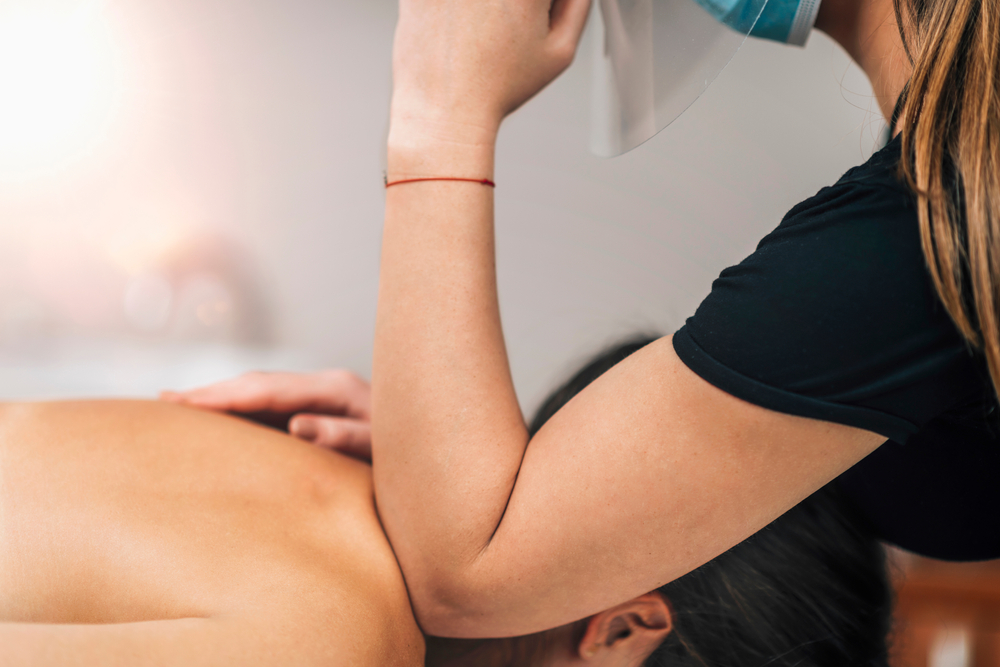
- Use of the forearms as well as the hands, which allows broad, smooth contact
- A steady, wave-like pace that many people describe as soothing and almost dance-like
- A full-body approach, rather than focusing on one isolated area
Lomi lomi has roots in traditional Hawaiian healing and care practices, where touch was connected to the wellbeing of the whole person and to the relationship between people, community, and the natural world. Today, lomi lomi is practiced in many forms. Techniques, training, and cultural approach vary from one practitioner to the next, so two sessions labeled “lomi lomi” can feel quite different.
Lomi Lomi Aloha Flow at Organic Massage Maui
At Organic Massage Maui Spa & Clinic in Lahaina, the Hawaiian-inspired option is the Lomi Lomi Aloha Flow. It is described as a flowing massage using long, rhythmic movements, with pressure that ranges from gentle to medium-firm depending on your preference.
The name reflects the spirit behind the service. Aloha is more than a greeting: it is a way of approaching people with warmth, respect, and care. That fits the clinic’s philosophy of Pono, Purity, and Peace, which centers on conscious touch, respect for the body, and thoughtful personal care.
You can review the current service description on the massage services page.
What Does Lomi Lomi Feel Like?
Everyone’s experience is different, but most people describe lomi lomi in similar terms:
- Continuous. Instead of working one small area at a time, the therapist tends to keep contact with the body as they move, so the massage feels like one unbroken flow rather than separate techniques.
- Rhythmic. The pace is steady and often slow, which can make it easy to let go of racing thoughts.
- Broad and enveloping. Because forearms are used as well as hands, the strokes can feel wide and smooth.
- Adjustable. The pressure can stay light for deep relaxation or increase to medium-firm if you like more substance.
Some people become so relaxed that they drift into a light doze. That is perfectly normal. Others stay fully alert and enjoy the rhythm. Both are fine.
How Lomi Lomi Differs From Other Massage Styles
If you are deciding between treatments, this quick comparison may help.
Lomi Lomi vs. Swedish (Relaxation) Massage
Swedish-style relaxation massage uses smooth, flowing strokes too, but it is often organized around specific sections of the body, with the therapist working one area at a time. Lomi lomi tends to feel more continuous and more rhythmic, and the forearm work gives it a broader feel.
If you want a classic gentle massage, a relaxation treatment such as the Makana Organic Relaxation Massage may be a good fit. If you want something more flowing and Hawaiian-inspired, lomi lomi is worth considering.
Lomi Lomi vs. Deep Tissue Massage
Deep tissue massage uses slower, more focused pressure to work on specific areas of muscular tension. Lomi lomi is generally about flow and rhythm across the whole body, although pressure can be medium-firm.
If you have a particular problem area, such as a tight upper back or sore legs, a more targeted treatment may suit you better. Our guide to choosing between deep tissue and relaxation massage can help you compare.
Lomi Lomi vs. Sports Massage
Sports massage is built around the needs of active people and often includes trigger-point work and assisted stretching. Lomi lomi is not designed around athletic recovery, though many active visitors enjoy it after a day of hiking, swimming, or exploring the island.
Who Is Lomi Lomi Good For?
Lomi lomi can be a good choice if you:
- Want a full-body, flowing massage rather than focused treatment of one area
- Are new to massage and want something gentle but meaningful
- Are visiting Maui and want a massage with a Hawaiian influence
- Enjoy rhythmic, unhurried bodywork
- Feel stressed or overstimulated and want a quiet, calming session
- Prefer adjustable pressure, from soft to medium-firm
It may be less suitable if you are looking for intense, targeted work on a specific injury or chronic issue. In that case, a therapeutic option such as the Lōkahi Signature Deep Blend, or Ikaika Sports Therapy for active people, may be a better starting point.
A Note on Cultural Respect
Lomi lomi is not just a technique. It comes from Hawaiian culture, and many practitioners and families in Hawaii hold specific lineages, teachings, and protocols around it. A respectful approach means a few things:
- Be honest about what you are booking. A “Hawaiian-inspired” massage is influenced by lomi lomi traditions, but it may not follow a particular family or cultural lineage.
- Ask questions. If cultural authenticity matters to you, ask your therapist how they approach the practice and what training they have.
- Treat the experience with respect. Whether you are a resident or a visitor, approach lomi lomi as a cultural practice, not just a spa novelty.
A good provider will welcome these questions and answer them openly.
What to Expect During Your Session
Before the Massage
Your therapist will ask about your goals, any areas of discomfort, your preferred pressure, and your health history. This is the time to mention injuries, surgeries, allergies, skin sensitivities, pregnancy, or anything else that might affect treatment.
If you have a preference about oils or scents, say so. Natural ingredients can still cause reactions in some people, so it is always worth asking which products will be used.
During the Massage
You will lie on a comfortable massage table, covered with a sheet or towel, with only the area being worked on uncovered. The therapist will use long, flowing strokes with the hands and forearms, moving smoothly from one part of the body to the next.
You can ask for lighter or firmer pressure at any time. You do not need to talk during the session unless you want to.
After the Massage
Take your time getting up. Many people feel deeply relaxed and a little slow, so avoid rushing straight into a demanding activity. Drink water as you normally would, and give yourself a few quiet minutes before you leave.
How to Prepare
- Eat lightly. Avoid arriving very full or very hungry.
- Arrive 10 to 15 minutes early so you can settle in and complete any intake forms.
- Wear comfortable clothing that is easy to change out of.
- Silence your phone. Give yourself permission to disconnect.
- Share your preferences. Tell your therapist about pressure, temperature, and any areas you would like avoided.
- Plan some downtime afterward, especially if this is your first massage.
Is Lomi Lomi Safe for Everyone?
Massage is suitable for many people, but not everyone and not in every situation. Speak with a healthcare professional before booking if you have:
- A recent injury, fracture, or surgery
- A suspected blood clot or unexplained swelling in a limb
- A skin infection, open wounds, or severe skin conditions
- Severe or unexplained pain
- A medical condition that your doctor has advised you to be careful with
If you are pregnant, tell the clinic when you book so they can advise on appropriate options for your stage of pregnancy.
Massage is not a substitute for medical care, and individual results vary.
Frequently Asked Questions
What is lomi lomi massage?
Lomi lomi is a Hawaiian massage tradition known for long, flowing, rhythmic strokes, often using the forearms as well as the hands. The Lomi Lomi Aloha Flow at Organic Massage Maui is a Hawaiian-inspired version of this style.
Is lomi lomi a deep tissue massage?
Not necessarily. Lomi lomi is mainly about flow and rhythm across the body. Pressure can range from gentle to medium-firm, but it is a different experience from the slower, focused work of deep tissue massage.
Is lomi lomi good for first-time massage clients?
Yes, it can be. The pressure is adjustable and the style is generally gentle and flowing, which many first-timers find comfortable. Tell your therapist it is your first massage so they can explain each step.
Does lomi lomi hurt?
It should not. Some pressure may feel firm, but you should never feel sharp pain. If anything feels uncomfortable, ask your therapist to adjust.
Do I have to be undressed?
You undress to your own comfort level and are covered with a sheet or towel throughout. Only the area being worked on is uncovered. You should never feel pressured to remove more than you want to.
How long is a lomi lomi session?
Session lengths can change, so confirm current options and availability with the clinic when you book.
Can I choose how firm the pressure is?
Yes. The Lomi Lomi Aloha Flow offers pressure from gentle to medium-firm, and you can ask for adjustments during the session.
Is lomi lomi relaxing or therapeutic?
Mainly relaxing. Many people find it soothing and may notice temporary relief from everyday muscle tension, but it is not designed to treat specific medical conditions. For focused therapeutic work, ask about other treatments on the menu.
Where can I get lomi lomi in Lahaina?
Organic Massage Maui Spa & Clinic offers the Lomi Lomi Aloha Flow at its Lahaina locations: 10 Hoohui Rd, Suite 107, Lahaina, HI 96761, and 40 Kupuohi Street, Suite 103, Lahaina, HI 96761.
Experience Lomi Lomi in Lahaina
Lomi lomi is one of the most memorable ways to slow down on Maui. Whether you live on the island or are visiting for a few days, a flowing, rhythmic massage can give you a quiet pause in a busy schedule and a deeper sense of the island’s spirit of aloha.
If you would like to try it, the team at Organic Massage Maui Spa & Clinic can help you choose the right treatment and answer any questions about pressure, products, or what to expect.
Ready to book?
- Call or text: (808) 276-6611
- Email: organicmassagemaui@gmail.com
- Visit: organicmassagemaui.com
- Explore treatments: Massage services | About Joel | Contact us
This article is for general information only and is not medical advice. Massage therapy is not a substitute for diagnosis or treatment by a qualified healthcare professional. If you have severe, worsening, or unexplained symptoms, seek medical care.