Introduction
Booking your first massage can be an exciting step toward better self-care. Whether you want to ease everyday muscle tension, unwind after a busy week, or simply enjoy a peaceful break from your routine, massage offers an opportunity to slow down and focus on your well-being.
However, if you have never experienced a professional massage, you may have a few questions. What should you wear? Should you eat before your appointment? Do you need to tell your therapist about areas of discomfort? And what actually happens during a massage session?
These are completely normal questions. Knowing what to expect can help you feel more comfortable and confident before your first appointment.
Preparing for a massage does not require complicated steps. A little planning, clear communication, and an understanding of your personal preferences can help you enjoy a more relaxing experience.
In this guide, we will explain how to prepare for your first massage, what to expect during your appointment, and how to make massage a meaningful part of your self-care routine.
1. Understand What You Want From Your Massage
Before booking your first appointment, take a moment to think about what you hope to get from the experience.
People choose massage for different reasons. Some want to relax after a stressful week, while others are looking for temporary relief from muscle tightness caused by sitting, working, exercising, or performing repetitive activities.
Understanding your goal can help you choose a massage style that suits your preferences.
For example, if your main priority is relaxation, a traditional relaxation massage may be a good starting point. It generally uses flowing movements and comfortable pressure to create a calming experience.
If you are interested in more focused work on particular areas of muscle tension, you might consider a therapeutic massage or discuss other suitable techniques with your therapist.
Deep tissue massage is another option, but it is not automatically better for first-time clients. Stronger pressure is not necessary to achieve relaxation, and massage should not cause significant pain.
If you are unsure which treatment to choose, ask the massage provider to explain the available options before booking.
2. Choose a Massage Therapist You Feel Comfortable With
Your massage experience begins before you enter the treatment room. Choosing a professional provider who prioritizes comfort, communication, and respect can make your first appointment feel much easier.
When researching massage providers, consider their qualifications, experience, available treatments, hygiene practices, and client feedback.
You should feel comfortable asking questions about the session, including the techniques used, the expected duration, and any preparation requirements.
A professional massage therapist should explain what to expect, respect your boundaries, and welcome reasonable questions. They should also ask about relevant health information before treatment and adapt their approach to your needs.
If you have concerns about privacy, draping, or particular areas of your body, discuss them before the session begins.
Remember that you have the right to ask questions, decline a technique, request a change in pressure, or stop the session at any time.
Feeling safe and respected is an essential part of a positive massage experience.
3. Book the Right Type of Massage for Your First Visit
Massage providers may offer several treatments, and understanding the differences can help you make an informed decision.
Relaxation Massage
Relaxation massage is often a comfortable starting point for beginners. It typically uses gentle to moderate pressure and flowing movements to encourage relaxation and ease everyday muscle tension.
Deep Tissue Massage
Deep tissue massage uses more focused pressure to address certain areas of tightness. It may be suitable for some people, but it is not necessary for a relaxing first experience. Tell your therapist if the pressure feels uncomfortable.
Hot Stone Massage
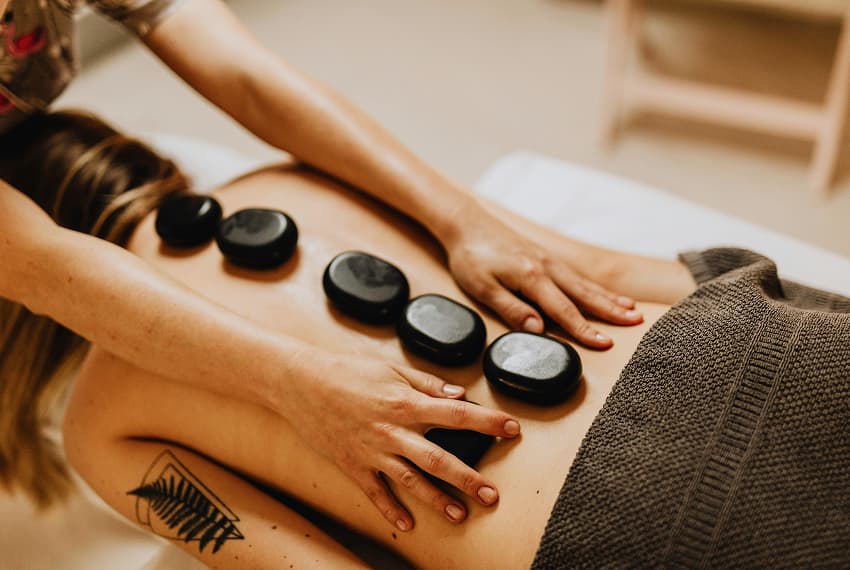
Hot stone massage incorporates warmed stones into the treatment. Some people enjoy the additional warmth, but it requires appropriate temperature control and may not be suitable for people with reduced skin sensation or certain medical conditions.
Therapeutic Massage
Therapeutic massage may focus on particular areas of discomfort or specific physical goals. The techniques used should depend on your needs, health considerations, and the therapist’s training.
You do not need to know exactly which massage style is best before making your appointment. Explaining what you want from the session can help your therapist guide you toward an appropriate option.
4. Eat Lightly Before Your Appointment
It is generally a good idea to avoid arriving at your massage feeling overly full or uncomfortably hungry.
A large meal immediately before lying on a massage table may leave you feeling uncomfortable, especially when the therapist works on your back or abdomen.
Consider eating a normal, balanced meal a couple of hours beforehand when practical. If you are hungry closer to your appointment, a light snack may be more comfortable.
There is no universal rule about exactly how long you should wait after eating. Your comfort, the size of the meal, and any personal digestive concerns all matter.
Staying hydrated throughout the day is also helpful. Drink water according to your usual needs, but you do not need to consume excessive amounts before the session.
The goal is simply to arrive feeling comfortable and ready to relax.
5. Wear Comfortable Clothing
Choosing comfortable clothing can make arriving at your first massage appointment easier.
Loose-fitting clothes that are easy to change out of are generally practical. You do not need to purchase special clothing or bring anything elaborate unless your massage provider specifically requests it.
During a professional massage, your therapist will explain what clothing should be removed for the selected treatment and how draping works.
For many full-body massage sessions, clients undress to their comfort level and are covered with a sheet or towel. Only the area being worked on should be uncovered as appropriate.
You should never feel pressured to remove more clothing than you are comfortable with. Depending on the treatment, some massage techniques can also be performed with clothing on.
If you have questions about what to wear or how the session is conducted, contact the provider before your appointment.
6. Arrive Early and Give Yourself Time to Settle In
One of the simplest ways to improve your first massage experience is to avoid rushing.
Arriving approximately 10–15 minutes early, if the provider’s instructions allow, can give you time to check in, complete any necessary forms, and discuss your preferences.
Rushing from traffic, work, or another appointment can make it harder to settle into a calm state. Giving yourself a little extra time helps create a more comfortable transition.
Use the arrival time to ask any remaining questions about the session. You can also mention whether you prefer quiet during the massage or would like the therapist to explain each step.
If you are visiting a spa or massage studio for the first time, check the address, parking arrangements, and appointment instructions beforehand.
A relaxed start can make the entire experience feel more enjoyable.
7. Communicate Your Preferences With Your Therapist
Communication is one of the most important parts of a successful massage.
Before treatment begins, your therapist may ask about your goals, areas of tension, preferred pressure, and any health conditions that could affect the session.
Be honest about your preferences. If you are nervous about receiving a massage for the first time, it is perfectly reasonable to say so.
You can tell your therapist if you:
Prefer light, moderate, or firmer pressure.
Have areas that feel particularly tight or sensitive.
Want certain areas avoided.
Prefer a quiet session with minimal conversation.
Feel uncomfortable with heat, particular positions, or specific techniques.
Have concerns about privacy, draping, or physical contact.
You do not have to know the technical names of massage techniques. Simple descriptions of how you feel and what you prefer are enough to begin the conversation.
Good communication helps your therapist tailor the treatment and makes it easier for you to feel comfortable throughout the appointment.
8. Share Relevant Health Information
Before receiving your first massage, tell your therapist about health considerations that may affect treatment.
This may include recent injuries, surgery, significant swelling, skin conditions, allergies to massage products, reduced sensation, circulation problems, or medications that affect bleeding or bruising.
Pregnancy should also be discussed so that an appropriately trained therapist can advise on suitable techniques and positioning.
Massage is not appropriate in every circumstance. For example, certain infections, acute injuries, suspected blood clots, or unexplained symptoms may require medical evaluation before treatment.
If you have a medical condition and are uncertain whether massage is suitable, consult your healthcare professional before booking.
Sharing relevant information is not about making the experience complicated. It helps your therapist identify precautions and determine whether a particular treatment is appropriate for you.
A responsible provider should treat this information respectfully and maintain appropriate privacy.
9. Understand What Happens During a Massage
Knowing the general structure of a massage session can help reduce first-time nerves.
Although procedures vary by provider and massage style, many appointments follow a similar pattern.
Before the Massage
Your therapist will typically review your preferences, ask relevant health questions, and explain the treatment. You can ask about the expected duration, the areas being addressed, and any techniques you are unsure about.
Getting Comfortable
The therapist will explain how to prepare for the massage and leave you privacy to change. You will generally lie on a massage table, often under a sheet or towel, depending on the treatment.
You should be given appropriate instructions about positioning and draping.
During the Session
The therapist will begin the treatment using techniques suited to your selected massage. You may feel gentle pressure, stretching sensations, or warmth, depending on the style.
It is normal to feel a little unfamiliar with the process at first. You can ask questions or request adjustments whenever needed.
After the Massage
At the end of the session, your therapist will let you know when the treatment is finished and allow you time to get dressed privately.
Take your time getting off the table, particularly if you feel very relaxed or slightly light-headed.
Your therapist may ask how you feel and provide general aftercare suggestions based on the session.
10. Remember That Massage Should Not Be Painful
First-time clients sometimes assume that a massage must involve strong pressure to be effective. This is a common misconception.
Although certain techniques can feel intense, massage should not cause severe or sharp pain. Excessive pressure can leave you uncomfortable and may increase the risk of bruising or other problems.
A relaxing massage can be beneficial without being forceful.
If the pressure feels too strong, tell your therapist immediately. You can use a simple phrase such as, “Could you use a little less pressure, please?”
You can also ask the therapist to avoid a particular area or change the technique entirely.
Mild temporary tenderness can occur after some forms of massage, particularly deeper treatments, but significant pain should not be treated as a sign that the massage is working.
Your comfort should remain a priority throughout the session.
11. Put Your Phone Away and Give Yourself a Break
Modern life makes it easy to remain connected to notifications, messages, emails, and work responsibilities throughout the day.
A massage appointment can provide an opportunity to take a short break from those distractions.
Consider silencing your phone before the session and allowing yourself to focus on the experience rather than your next task.
You do not need to force yourself to meditate or completely clear your mind. Simply noticing your breathing, allowing your muscles to relax, and resting comfortably can be enough.
If your thoughts wander, that is normal. The goal is not to achieve a perfect state of calm but to give yourself time without the usual demands of daily life.
Some clients prefer silence, while others enjoy occasional conversation with their therapist. Let your preferences guide the experience.
12. Know What to Do After Your Massage
Your first massage does not end the moment you leave the treatment room. Giving yourself a little time afterward can help you transition comfortably back into your routine.
Drink Water Normally
Maintain your usual hydration habits. There is no need to drink excessive amounts of water or follow special detox routines after a massage.
Take Your Time
Stand up slowly and allow yourself a moment to adjust before leaving. If you feel dizzy or unusually unwell, let the therapist know.
Notice How Your Body Feels
You may feel relaxed, refreshed, or temporarily tender, depending on the treatment. Everyone responds differently.
Avoid Pushing Through Discomfort
If you experience significant or worsening pain, unusual swelling, weakness, or other concerning symptoms, seek appropriate medical advice.
Keep the Rest of Your Day Comfortable
If possible, leave a little space between your appointment and your next demanding activity. You can use the time to enjoy a quiet walk, have a meal, or simply return to your day at a comfortable pace.
These simple habits can help make the experience feel less rushed and more personal.
13. How Often Should Beginners Get a Massage?
There is no single schedule that works for everyone.
Some people enjoy an occasional massage when they need a break from daily stress. Others prefer regular appointments as part of a broader self-care routine.
Your ideal frequency may depend on your goals, budget, schedule, preferences, and health considerations.
If you are receiving massage for general relaxation, you can begin with one session and decide how you feel afterward. There is no need to commit to a regular schedule before you know whether you enjoy the experience.
If you are seeking help with persistent pain or a particular physical concern, discuss an appropriate plan with a qualified healthcare professional and your massage therapist.
Massage should fit into your life in a way that feels practical and comfortable, rather than becoming another source of pressure.
14. Common First-Massage Questions Answered
Do I Need to Talk During My Massage?
No. You can enjoy a quiet session if that is what helps you relax. It is still important to speak up if the pressure feels uncomfortable or you need an adjustment.
Should I Remove All My Clothing?
Not necessarily. Your comfort and the treatment type determine what is appropriate. Your therapist should explain the process, respect your preferences, and use proper draping.
What If I Feel Nervous?
Let your therapist know that it is your first massage. Ask questions beforehand and request explanations whenever needed. A professional should respect your concerns and allow you to proceed at a comfortable pace.
Is It Normal to Fall Asleep?
Some people become sleepy during a relaxing massage, while others remain fully awake. Both experiences are normal.
Should I Choose Deep Tissue Massage for My First Appointment?
Not necessarily. Relaxation massage may be a more comfortable starting point if your primary goal is to unwind. You can discuss deeper techniques with your therapist if you have specific needs.
Will I Feel Different Immediately?
You may feel relaxed or notice temporary changes in muscle comfort, but results vary. One session is not guaranteed to resolve ongoing discomfort or stress.
15. Make Your First Massage Part of a Healthy Self-Care Routine
Massage can be one part of a balanced approach to wellness, alongside regular movement, adequate sleep, enjoyable activities, and time away from daily pressures.
Rather than viewing massage as a special treat that you can enjoy only when you have reached your limit, consider whether occasional appointments fit into your broader self-care habits.
You might schedule a massage after a demanding period at work, during a vacation, or simply when you want to dedicate time to yourself.
At the same time, remember that massage does not replace medical treatment, rehabilitation, or mental health care when those services are needed.
The best self-care routine is one that reflects your individual needs and helps you maintain a healthier balance without adding unnecessary stress.
Experience a Relaxing Massage in Maui
If you are planning your first massage in Maui, choosing a provider that emphasizes comfort, communication, and personalized care can help you feel more at ease.
Maui offers an inviting environment for taking a break from busy routines and making time for relaxation. Whether you are visiting the island or live locally, a massage appointment can be an opportunity to pause and focus on your well-being.
At Organic Massage Maui, you can explore the available massage options and learn more about choosing a session that fits your preferences.
Before booking, consider what you want from your appointment, whether you prefer gentle or firmer pressure, and whether you have any health considerations to discuss.
If this is your first massage, there is no need to have everything figured out. Asking questions and communicating openly with your therapist can help you find an approach that feels right for you.
Visit Organic Massage Maui to explore available services and plan your massage experience.
Conclusion: Your First Massage Is Time for You
Preparing for your first massage is easier than you might think. Choose a treatment that suits your goals, arrive with enough time to settle in, wear comfortable clothing, share relevant health information, and communicate your preferences clearly.
Most importantly, remember that you are allowed to ask questions, request adjustments, and set boundaries throughout the experience.
Massage is not about enduring intense pressure or achieving a particular result. It is about receiving appropriate care in an environment where you feel comfortable and respected.
Whether you are looking to unwind after a busy week, enjoy some quiet time, or explore a new approach to self-care, your first massage can be a positive step toward making more room for your well-being.
Ready to book your first massage in Maui? Visit Organic Massage Maui to learn more about available massage services and find an option that suits your needs.