Introduction
Modern life often moves at an exhausting pace. Between work, family responsibilities, social commitments, and constant digital distractions, finding time to slow down can feel like a luxury rather than a necessity. Many people spend their days responding to demands without giving themselves enough time to rest, recharge, and reconnect with their own needs.
This is where a personal wellness ritual can make a meaningful difference.
A wellness ritual is a collection of simple, intentional activities that help you create space for relaxation and self-care. It might include a quiet morning routine, a few minutes of mindful breathing, a relaxing bath, time outdoors, or a professional massage. The goal is not to create another demanding schedule. Instead, it is to build small moments of calm into your everyday life.
Relaxation is an important part of overall well-being. Taking time to unwind may help ease feelings of stress, encourage body awareness, and support healthier habits around rest and recovery.
Whether you live in Maui or are visiting the island for a peaceful getaway, creating your own wellness ritual can help you make relaxation a more consistent part of your lifestyle.
In this guide, discover how to build a wellness routine that suits your needs, explore the role of massage in relaxation, and learn practical ways to bring more balance into your everyday life.
1. Understanding the Importance of Relaxation
Relaxation is more than simply sitting down after a long day. It involves giving your mind and body an opportunity to move away from constant demands and experience a more comfortable, restful state.
When life becomes busy, people sometimes overlook the signs that they need a break. Tight shoulders, difficulty switching off after work, irritability, and feeling mentally exhausted can all be reminders to pay attention to personal well-being.
Making time for relaxation can help you become more aware of these signals and develop healthier ways to respond to everyday pressures.
Relaxation practices vary from person to person. Some individuals enjoy reading in a quiet room, while others feel refreshed after a walk, gentle stretching, or a massage session.
There is no single method that works for everyone. What matters is identifying activities that help you feel comfortable and making reasonable space for them in your routine.
Rather than waiting until you feel completely overwhelmed, consider treating relaxation as a regular part of maintaining your well-being.
2. Start Your Day With a Calming Morning Ritual
The way you begin your morning can influence how you approach the rest of the day. Although a peaceful morning cannot eliminate every challenge, a few intentional minutes may help you feel more prepared to handle your responsibilities.
You do not need an elaborate routine or an early alarm to get started. A simple approach can be just as meaningful.
Consider beginning your day by:
Drinking a glass of water according to your usual hydration needs.
Opening the curtains and allowing natural light into your room.
Taking a few slow, comfortable breaths.
Stretching gently before starting work.
Enjoying breakfast without immediately checking your phone.
Identifying one or two priorities for the day.
These small activities can help create a smoother transition from rest to daily responsibilities.
The key is to keep your morning ritual realistic. If you have only five minutes, use those five minutes intentionally. A wellness routine should support your lifestyle rather than make your mornings more stressful.
Over time, simple habits can become familiar signals that encourage you to begin the day with greater awareness.
3. Create a Peaceful Environment at Home
Your surroundings can influence how comfortable and relaxed you feel. A cluttered workspace, constant background noise, and frequent interruptions may make it harder to switch off after a demanding day.
Creating a peaceful corner at home can provide a dedicated place for relaxation.
You do not need a large room or expensive wellness products. Start with a comfortable chair, a soft blanket, gentle lighting, and a space where you can sit without unnecessary distractions.
Depending on your preferences, you might add:
Comfortable cushions or a supportive chair.
A few plants or natural decorative elements.
Soft instrumental music or calming nature sounds.
A favorite book or journal.
A pleasant scent, provided it does not trigger allergies or sensitivities.
A phone-free area where you can spend a few quiet minutes.
Try to keep this space associated with rest rather than work or household responsibilities.
Even a small, peaceful corner can become a helpful reminder to pause, breathe, and give yourself time away from everyday demands.
4. Make Mindful Breathing Part of Your Routine
Mindful breathing is a simple relaxation practice that can be done almost anywhere. It does not require special equipment, a particular location, or previous meditation experience.
The practice involves paying attention to your breathing without trying to force it into a specific pattern.
To get started, find a comfortable seated position. Relax your shoulders, allow your breathing to remain natural, and notice the feeling of air moving in and out. If your thoughts wander, gently bring your attention back to your breath.
You can begin with just two or three minutes.
Some people find this practice helpful before starting work, during a break, or at the end of the day when they want to transition into a quieter activity.
Mindful breathing is not about emptying your mind or achieving perfect concentration. Thoughts will naturally come and go. The aim is simply to create a brief opportunity to pause and notice the present moment.
If focusing on your breathing feels uncomfortable, choose another grounding activity, such as noticing the sounds around you or taking a slow walk.
5. Discover the Relaxing Benefits of Massage
Massage can be a valuable addition to a personal wellness ritual, particularly for people who enjoy hands-on relaxation and focused physical care.
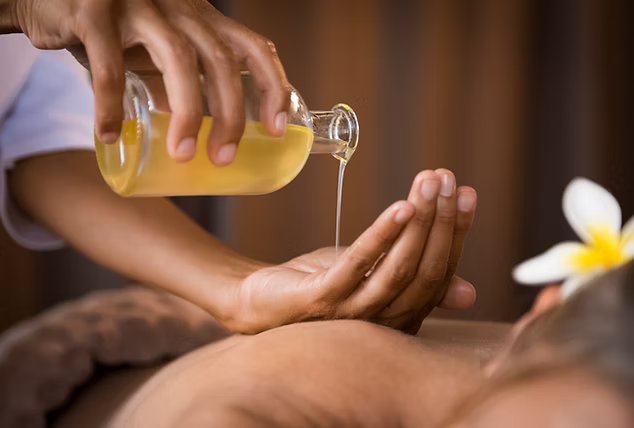
A professional massage session provides dedicated time away from daily responsibilities. Depending on the massage style, a therapist may use gentle strokes, kneading, or other techniques to help ease perceived muscle tension and encourage relaxation.
Many people choose massage after demanding workweeks, periods of physical activity, or times when they simply want to make space for themselves.
Massage may help support relaxation and provide short-term relief from certain types of muscle discomfort. However, its effects vary, and it should not be viewed as a cure for every physical or emotional concern.
There are several massage styles to consider.
Relaxation massage: Often uses flowing movements and gentle to moderate pressure to create a soothing experience.
Therapeutic massage: May focus on particular areas of tension or discomfort, depending on the client’s needs and the therapist’s training.
Deep tissue massage: Uses more focused pressure and may suit certain goals, although it is not necessary for a relaxing experience.
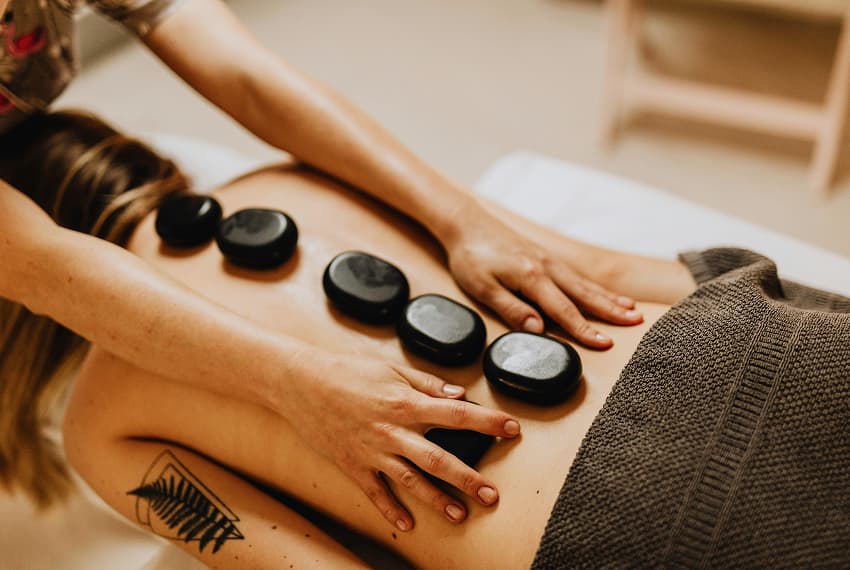
Hot stone massage: Incorporates warmed stones into massage techniques for people who enjoy the sensation of heat. Additional precautions are needed for people with reduced skin sensation or certain medical conditions.
Choosing the right massage begins with understanding your preferences. A qualified therapist can help you identify an appropriate option and adjust the treatment to your comfort level.
If you have a medical condition, recent injury, unexplained pain, or other health concerns, seek appropriate guidance before booking.
6. Turn Your Massage Appointment Into a Wellness Ritual
A massage can feel more meaningful when it becomes part of a broader experience rather than another appointment squeezed into a busy schedule.
Instead of rushing directly from work to a treatment and immediately returning to demanding tasks, consider creating a little space around your session.
You might begin by setting aside time to arrive without rushing. After the massage, allow yourself a few quiet minutes before checking messages or returning to your usual responsibilities.
If your schedule permits, combine the appointment with another enjoyable activity, such as reading somewhere peaceful, taking a gentle walk, or enjoying a relaxed meal.
You can also use the experience as an opportunity to reflect on how you have been feeling physically and mentally.
Ask yourself simple questions:
Have I been getting enough rest?
Am I spending too much time sitting in one position?
Have I made time for activities I enjoy?
What would help me feel more balanced this week?
These questions are not intended to turn relaxation into another self-improvement task. They simply encourage you to pay attention to your needs.
A wellness ritual works best when it gives you permission to slow down rather than creating more pressure to perform.
7. Use Movement to Support Everyday Well-Being
Relaxation does not always mean remaining still. For many people, gentle movement is an enjoyable way to release the feeling of being stuck at a desk or confined to a busy indoor routine.
Activities such as walking, comfortable stretching, gentle yoga, and recreational swimming can provide opportunities to move while giving your mind a break from work.
You do not need to complete an intense workout every time you want to feel refreshed.
For example, you could take a short walk after lunch, stretch your shoulders between meetings, or spend a few minutes moving comfortably before bed.
The best activities are those that match your physical abilities and feel enjoyable enough to repeat.
Massage and movement can complement one another within a wellness routine. Massage offers focused hands-on care, while regular movement supports general physical health and can help reduce the effects of prolonged sitting.
If you have an injury or medical condition that affects movement, choose suitable activities with guidance from an appropriate healthcare professional.
8. Develop an Evening Ritual That Helps You Unwind
Evenings provide an opportunity to step away from the day’s responsibilities and prepare for rest.
However, many people carry their workday into the evening through emails, social media, unfinished tasks, and constant notifications.
Creating a gentle evening routine can help establish a clearer transition between activity and relaxation.
Consider trying a few of these habits:
Reduce digital distractions. Put away work messages when practical and limit unnecessary screen use before bed.
Enjoy a quiet activity. Read, listen to music, write in a journal, or spend time on a hobby.
Prepare for tomorrow. Make a short list of important tasks so you do not need to keep mentally reviewing them.
Create a comfortable atmosphere. Adjust the lighting, temperature, and noise level to suit your preferences.
Keep a consistent sleep schedule. Going to bed and waking up at reasonably consistent times can support healthy sleep habits.
Your evening ritual does not need to last an hour. Even 10 minutes of intentional downtime can be a useful starting point.
The purpose is to make the end of your day feel less rushed and give yourself an opportunity to settle into rest.
9. Make Time for Nature and Outdoor Relaxation
Spending time outdoors can be a refreshing part of a personal wellness routine. Natural surroundings provide a change of scenery and may encourage you to step away from screens, workspaces, and other daily distractions.
This can be especially enjoyable in Maui, where coastal scenery, tropical landscapes, and outdoor recreation offer many opportunities to appreciate the environment.
You might take a peaceful morning walk, sit outside with a book, enjoy the sound of the ocean, or spend a few minutes noticing the changing light at the end of the day.
You do not have to plan an elaborate outdoor adventure. A short period spent outside can be enough to break up a demanding routine.
Choose activities that fit your physical abilities, the weather, and your schedule. Remember sun protection and appropriate hydration when spending time outdoors in warm conditions.
Combining outdoor time with other relaxing activities can help create a wellness ritual that feels personal, enjoyable, and easy to maintain.
10. Pay Attention to the Connection Between Rest and Sleep
Sleep is an essential part of overall health. It supports attention, mood, physical recovery, and everyday functioning.
When people are busy, sleep is sometimes treated as the first thing to sacrifice. Over time, inconsistent sleep habits can make it harder to feel refreshed and manage daily demands.
A personal wellness ritual can help you protect the time you need for rest.
Try creating a regular wind-down period before bedtime. During this time, choose activities that feel calming rather than stimulating.
You might read a book, listen to quiet music, take a comfortable shower, or practice gentle stretching.
Massage may also help some people feel more relaxed, which can complement healthy sleep habits. However, massage is not a guaranteed treatment for insomnia or other sleep disorders.
If you regularly struggle to fall asleep, remain asleep, or feel rested despite adequate time in bed, consider discussing the issue with a healthcare professional.
Rest is not wasted time. It is an important part of maintaining a sustainable and balanced lifestyle.
11. Practice Self-Care Without Feeling Guilty
One of the biggest challenges in creating a wellness ritual is making time for yourself without feeling that you should be doing something more productive.
Work, family, and personal responsibilities are important, but constantly placing your own needs last can leave little room for rest.
Self-care does not have to involve expensive treatments or long periods away from your responsibilities. It can be as simple as enjoying a quiet cup of tea, taking a short walk, or setting aside 15 minutes without interruptions.
It is also helpful to remember that rest does not need to be earned through exhaustion.
You can make time for relaxation because your well-being matters, not only when you have completed every task on your list.
Start with manageable expectations. If a daily routine feels unrealistic, consider a few dedicated moments each week.
The goal is to create habits that support your life over time rather than following a rigid plan that becomes difficult to maintain.
12. Build a Wellness Ritual That Fits Your Lifestyle
A wellness routine should reflect your schedule, preferences, physical needs, and budget.
Some people enjoy structured routines, while others prefer flexibility. Both approaches can work.
If you are new to intentional self-care, begin with two or three activities that feel simple and enjoyable.
For example, your personal ritual might include:
Morning: Five minutes of stretching before work.
Midday: A short walk away from your desk.
Evening: Ten minutes of reading without your phone.
Weekly: Time for a favorite hobby, outdoor activity, or massage appointment when appropriate.
You can adjust this routine as your needs change.
It is also useful to avoid treating every missed activity as a failure. Life can be unpredictable, and there will be days when your usual plans do not work.
Instead of abandoning your routine, return to it when you can.
Consistency is often easier to maintain when your wellness habits are realistic, flexible, and enjoyable.
13. Common Mistakes to Avoid When Creating a Wellness Ritual
Although self-care should feel supportive, certain habits can unintentionally make it more difficult to maintain.
Making the Routine Too Complicated
Trying to introduce too many new activities at once can make relaxation feel like another responsibility. Start small and add activities only when they fit naturally into your life.
Comparing Your Routine With Others
A wellness ritual does not need to resemble a social media routine or follow a particular trend. Choose activities that genuinely suit your needs.
Expecting Immediate Results
Relaxation practices are not guaranteed to produce the same effects for everyone. Give yourself time to discover what feels helpful without expecting every session to change how you feel.
Ignoring Your Physical Needs
Do not push through pain or use massage to avoid addressing a persistent health concern. Seek appropriate professional advice when needed.
Treating Relaxation as a Luxury
Waiting until you are completely exhausted before taking a break can make self-care difficult to sustain. Small, regular moments of rest may be easier to incorporate into everyday life.
Turning Self-Care Into Another Obligation
Your wellness ritual should be flexible. If a particular activity feels stressful or unenjoyable, you can change it.
The most effective routine is one that supports you rather than demands perfection.
14. Create a More Mindful Wellness Experience in Maui
Maui provides a beautiful backdrop for people who want to slow down and spend more time on personal well-being.
Whether you are enjoying a vacation or living on the island, taking time for relaxation can help create a more balanced experience amid everyday responsibilities.
You might combine a morning outdoors with a quiet afternoon, set aside time for reading, or explore professional massage as part of your self-care routine.
A massage appointment can provide a dedicated period of focused physical care in which you do not have to manage your usual tasks. The experience can be especially enjoyable when you choose a treatment that matches your comfort level and allow yourself time to unwind before and afterward.
At Organic Massage Maui, you can explore available massage services and learn more about options that may fit into your personal wellness routine.
Before booking, consider whether you prefer a gentle relaxation massage or a different approach. Share relevant health information with your therapist and ask any questions you have about the treatment.
Visit Organic Massage Maui to explore available services and discover an option that suits your preferences.
15. Your Simple Seven-Day Relaxation Plan
If you want to begin creating your own wellness ritual, a simple weekly plan can help you get started without making major changes to your schedule.
Day 1: Create a Quiet Space
Choose a comfortable spot at home where you can spend a few minutes without distractions.
Day 2: Practice Mindful Breathing
Spend three to five minutes noticing your natural breathing and allowing yourself to pause.
Day 3: Take a Relaxing Walk
Step outside and enjoy a short walk at a comfortable pace, paying attention to your surroundings.
Day 4: Take a Screen Break
Set aside a period when you can put your phone away and enjoy an activity without digital interruptions.
Day 5: Focus on Rest
Create a simple evening routine with gentle lighting, a quiet activity, and a consistent bedtime.
Day 6: Explore a Wellness Activity
Consider a massage appointment, gentle stretching, or another relaxing activity that suits your preferences and health needs.
Day 7: Reflect and Adjust
Think about which activities you enjoyed most. Keep the ones that felt helpful and modify anything that seemed difficult or stressful.
This plan is a starting point rather than a strict set of rules. You can repeat the activities you enjoy and change the routine whenever necessary.
Over time, small actions can help you create a more personal approach to relaxation.
Conclusion: Make Relaxation a Regular Part of Your Life
Creating your own wellness ritual is about recognizing that your well-being deserves attention, even when life feels busy.
By making time for mindful breathing, comfortable movement, quality rest, peaceful surroundings, and enjoyable activities, you can develop a routine that encourages you to slow down and reconnect with yourself.
Massage can be another valuable element of this approach, offering an opportunity to experience focused physical care and relaxation. While it is not a replacement for medical treatment or professional mental health support, it may complement other healthy habits.
The most important thing is to choose activities that suit your needs and fit naturally into your lifestyle. You do not need a perfect routine, expensive products, or hours of free time to begin.
Start with one small moment of relaxation today. Over time, those moments can become a meaningful part of how you care for yourself.
Ready to make time for relaxation? Explore the massage options at Organic Massage Maui and discover how professional massage may fit into your personal wellness ritual.