
Introduction
Choosing the right massage can make a meaningful difference in your wellness experience. Some people want to relax, slow down, and enjoy a peaceful break from daily responsibilities. Others prefer a more focused treatment that works on areas of muscular tightness and tension. This is where understanding the difference between deep tissue massage and relaxation massage becomes important.
If you are searching for a massage in Maui, you may have come across several options, including Swedish-style relaxation massage, deep tissue massage, and traditional Hawaiian-inspired treatments. Each approach offers a different experience, and the best choice depends on your personal preferences, comfort level, and wellness goals.
At Organic Massage Maui Spa & Clinic, clients can explore massage experiences ranging from gentle, flowing relaxation techniques to firm-pressure therapeutic treatments. The goal is to help each client find an experience suited to their individual needs.
In this guide, we will explain how deep tissue massage differs from relaxation massage, explore the potential benefits of each, discuss how to choose the right pressure, and share practical tips for preparing for your next massage appointment in Maui.
Whether you are a local resident or visiting beautiful Lahaina, understanding your options can help you make a more informed decision.
What Is a Relaxation Massage?
A relaxation massage is designed to provide a soothing, comfortable experience that encourages you to slow down and take a break from everyday demands.
This style commonly uses gentle to moderate pressure, smooth strokes, and flowing movements across the body. Swedish-style massage techniques are often used to create a calming rhythm and help the client settle into the experience.
Unlike a treatment that focuses heavily on particular areas of muscular tension, a relaxation massage usually emphasizes overall comfort and a peaceful atmosphere.
Common Features of Relaxation Massage
A relaxation massage may include:
Gentle, flowing massage strokes.
Light to moderate pressure.
Broad movements across the back, shoulders, arms, and legs.
Massage oils or creams to improve comfort.
A calm environment with minimal distractions.
Personalized adjustments based on your preferences.
The exact techniques depend on the massage provider and the selected service.
Potential Benefits of Relaxation Massage
Many people choose relaxation massage because it provides dedicated time for self-care.
A comfortable massage session may help some individuals feel calmer, temporarily ease everyday muscular tension, and improve their sense of relaxation. It can also provide a welcome break after a demanding workweek, a long flight, or a busy vacation schedule.
Relaxation massage may be a suitable option if you:
Prefer gentle pressure.
Are new to massage therapy.
Want a peaceful full-body experience.
Feel stressed after a busy week.
Prefer broad, soothing movements over focused pressure.
Want to incorporate massage into a regular self-care routine.
Relaxation massage is not limited to people experiencing stress. Anyone who enjoys gentle bodywork may appreciate this style.
Relaxation Massage at Organic Massage Maui
The Makana Organic Relaxation Massage at Organic Massage Maui is a light-pressure treatment that combines flowing massage movements with Swedish-style and reflexology techniques.
The service features organic coconut oil, a choice of hand or foot cream, rosewater facial mist, and warm steam towels.
This experience may appeal to clients who prefer a gentle, soothing massage rather than firm, targeted pressure.
Explore the Organic Massage Maui massage services to learn more about this treatment and other available options.
What Is a Deep Tissue Massage?
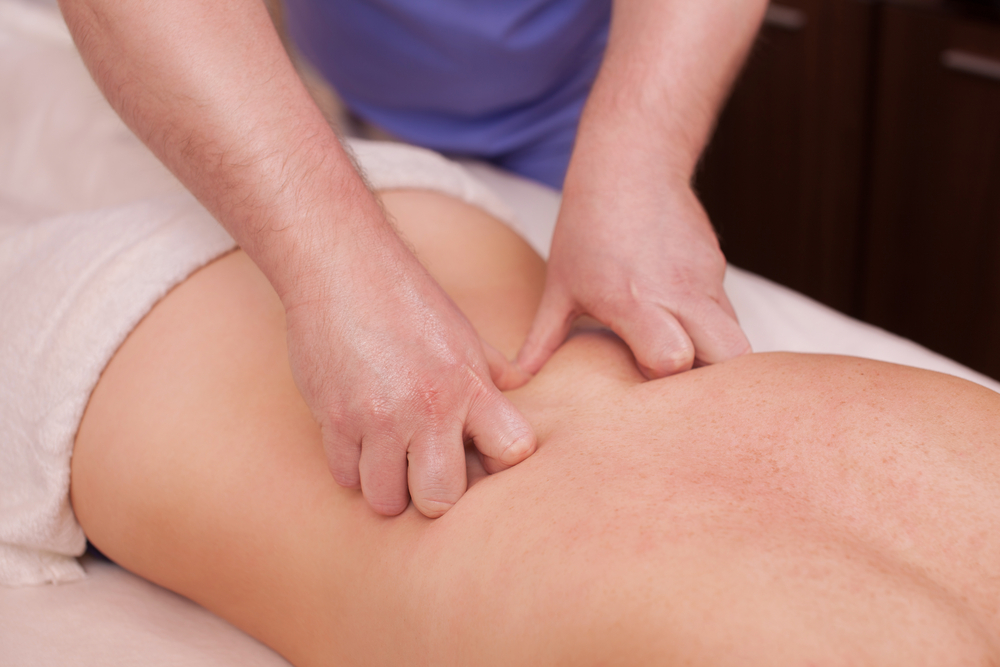
Deep tissue massage is a more focused approach to massage that commonly uses medium-to-firm pressure to address areas of muscular tension.
Rather than concentrating primarily on gentle, flowing relaxation, the therapist may work more slowly on particular muscle groups and areas that feel tight or overworked.
Depending on the treatment, techniques can include sustained pressure, myofascial release, and cross-fiber friction. The therapist adjusts these techniques according to the client’s comfort, goals, and physical condition.
Deep tissue massage does not mean that the therapist should apply as much pressure as possible. Effective treatment depends on appropriate technique, communication, and an understanding of the client’s needs.
Common Features of Deep Tissue Massage
A deep tissue session may include:
Medium-to-firm pressure.
Focused attention on selected muscle groups.
Slower, more deliberate movements.
Myofascial techniques.
Cross-fiber friction where appropriate.
Adjustments based on comfort and treatment goals.
Not every deep tissue massage includes every technique. Your therapist should explain the approach before beginning.
Potential Benefits of Deep Tissue Massage
Some people choose deep tissue massage when they experience persistent muscular tightness associated with daily activities, repetitive movements, exercise, or physically demanding work.
Depending on the individual and the techniques used, massage may temporarily reduce the feeling of muscular tension and improve perceived comfort or ease of movement.
Deep tissue massage may be worth discussing with a qualified therapist if you:
Prefer firmer pressure.
Experience recurring muscular tightness.
Spend long periods sitting at a desk.
Perform physically demanding work.
Participate in sports or regular exercise.
Want focused attention on specific muscle groups.
However, deep tissue massage is not appropriate for every type of pain or injury. It should not be used to diagnose or treat an underlying medical condition without appropriate healthcare guidance.
Deep Tissue Massage at Organic Massage Maui
The Lōkahi Signature Deep Tissue treatment at Organic Massage Maui is designed around focused therapeutic work and medium-to-deep pressure.
The service menu describes techniques including myofascial release, cross-fiber friction, and warm organic arnica oil.
This treatment may be a suitable option for clients who prefer a more focused massage experience and want to discuss particular areas of muscular tension with their therapist.
You can review the current treatment details on the official massage menu.
Deep Tissue vs. Relaxation Massage: Key Differences
Although both massage styles involve hands-on bodywork, their approaches and primary goals differ.
| Feature | Relaxation Massage | Deep Tissue Massage |
|---|---|---|
| Main focus | Overall relaxation and comfort | Focused muscular tension |
| Typical pressure | Light to moderate | Medium to firm |
| Massage movements | Smooth and flowing | Slower and more targeted |
| Treatment style | Often full-body and soothing | May focus on selected areas |
| Common preference | Clients who enjoy gentle touch | Clients who prefer firmer pressure |
| Session experience | Calm and relaxing | More focused and potentially intense |
| Best starting point | General relaxation goals | Specific tension concerns, when appropriate |
These are general differences, not strict rules. A relaxation massage can include some focused work, and a deep tissue session can still feel calming when the pressure and techniques are appropriate.
The most important factor is selecting a treatment that fits your comfort level rather than choosing based on the name alone.
1. Choose Relaxation Massage If Your Goal Is Stress Relief
Daily responsibilities can leave little time to slow down. Work, family commitments, travel, and extended screen time may all contribute to a feeling of being constantly busy.
If your primary goal is to unwind, a relaxation massage may be a good place to start.
The gentle movements and comfortable pressure can create an opportunity to disconnect from everyday demands and focus on how you feel in the moment.
For many clients, the experience is less about targeting a specific muscle and more about enjoying a quiet period of personal care.
A relaxation massage may also be a suitable choice before or after a vacation activity when you want a soothing treatment rather than an intense session.
If you are unsure about massage pressure, communicate your preferences before the treatment begins. You can always ask for lighter or firmer pressure within the therapist’s recommended approach.
2. Consider Deep Tissue Massage for Focused Muscular Tension
If your main concern is a particular area that feels tight or overworked, you may want to discuss deep tissue massage with a qualified therapist.
For example, people who spend much of the day sitting may notice tension around the shoulders or upper back. Others may experience muscular tightness after repetitive work or demanding physical activities.
A focused massage may help address the sensation of tension in selected areas.
However, discomfort can have many causes. New, severe, unexplained, or persistent pain should not automatically be treated with deeper pressure.
Tell your therapist where you feel discomfort, when it began, and which movements or activities affect it. This information helps determine whether massage is appropriate or whether medical assessment should come first.
Remember: more pressure does not always mean better results. A session should be adjusted to your tolerance and individual circumstances.
3. Understand the Role of Massage Pressure
Pressure is one of the biggest differences people notice when comparing relaxation massage with deep tissue massage.
Relaxation massage typically emphasizes gentle, flowing movements. Deep tissue massage uses more focused pressure when appropriate, but it should remain within a comfortable and agreed-upon range.
Everyone experiences pressure differently. What feels comfortable to one person may feel excessive to another.
Factors that can influence your preferred pressure include:
Personal sensitivity.
Previous massage experiences.
The area being treated.
Current physical activity levels.
Recent injuries or health conditions.
Your overall treatment goals.
You do not need to tolerate pain to benefit from massage. Sharp pain, burning sensations, numbness, or pressure that feels overwhelming are reasons to tell your therapist to stop or adjust the technique.
A professional massage experience should include communication before, during, and after the session.
4. Can You Combine Relaxation and Deep Tissue Techniques?
Yes. Depending on the provider and your individual needs, a customized massage may combine different techniques or pressure levels.
For example, a therapist may begin with broad, gentle movements before using more focused work on selected areas. Another session may emphasize relaxation throughout, with only limited attention to a particular muscle group.
This approach can be helpful if you want an overall calming experience but also have one or two areas you would like to discuss.
At Organic Massage Maui, clients can explore different pressure options and massage styles through the available service menu. The most suitable approach depends on the treatment selected and what the therapist determines is appropriate.
When booking, explain whether you prefer a fully relaxing session, focused therapeutic work, or a combination of both.
Do not assume that every treatment includes the same techniques. Confirm the details with the clinic before your appointment.
5. What About Hawaiian Lomi Lomi Massage?
Maui offers massage experiences influenced by Hawaiian traditions, including Lomi Lomi.
Lomi Lomi is commonly associated with long, flowing movements that may use the forearms as well as the hands. The rhythm can feel different from the shorter, more targeted movements often associated with deep tissue massage.
At Organic Massage Maui, the Lomi Lomi Aloha Flow service is described as a Hawaiian-inspired massage using long, rhythmic movements and gentle to medium-firm pressure.
This style may appeal to clients who want an experience that combines flowing bodywork with a sense of relaxation.
It is important to approach Hawaiian cultural practices respectfully and recognize that traditional approaches can vary.
Lomi Lomi is not simply another name for deep tissue massage. The experience, movements, and intended focus can be different.
If you are interested in this treatment, ask the therapist about the specific approach offered and discuss the pressure that feels comfortable for you.
Learn more about available massage styles through the Organic Massage Maui service menu.
6. Which Massage Is Better After Exercise?
Your preferred massage after exercise depends on your activity, comfort level, and whether you have any injuries.
If you have had a long walk, a busy sightseeing day, or a moderate workout and simply want to relax, a gentle massage may be more appealing.
If you are physically active and want focused attention on areas that feel tight, a therapist may recommend an appropriately adapted therapeutic or sports-focused session.
Organic Massage Maui also offers Ikaika Sports Therapy, which includes techniques such as trigger-point therapy, assisted stretching, and targeted myofascial work.
Sports massage can be part of a broader recovery routine, but it does not guarantee injury prevention or faster recovery.
If you suspect a muscle tear, fracture, significant swelling, or another acute injury, seek appropriate medical advice before receiving massage. Aggressive pressure on an injured area can make some conditions worse.
For ordinary post-activity tightness, communicate your activity level and treatment goals so the therapist can help determine a suitable approach.
7. How to Prepare for Your Massage Appointment
Whether you choose deep tissue or relaxation massage, preparing for your appointment can help make the experience more comfortable.
Explain Your Goals
Before the session, tell your therapist whether you want to relax, address everyday muscular tension, or focus on particular areas.
Clear communication helps establish realistic expectations.
Share Relevant Health Information
Discuss recent injuries, surgeries, medical conditions, skin sensitivities, allergies, or other factors that may affect massage suitability.
Some conditions require modifications or medical clearance before treatment.
Choose a Comfortable Pressure Level
Do not feel that you must choose deep tissue simply because you think it is more effective.
If you prefer lighter pressure, say so. If you want focused work, discuss your expectations and let your therapist explain what may be appropriate.
Ask About Massage Products
If you prefer organic products or have sensitive skin, ask which oils or creams will be used.
Natural ingredients can still cause allergic reactions, so mention any known sensitivities.
Arrive With Time to Spare
Arriving early allows you to complete intake information, ask questions, and settle in before your treatment.
Communicate During the Session
Tell your therapist if the pressure is too strong, the room temperature is uncomfortable, or you need a change in positioning.
You should feel respected and comfortable throughout the appointment.
8. Is Deep Tissue Massage Always Better Than Relaxation Massage?
No. Neither treatment is universally better because they serve different preferences and purposes.
If you want a calming experience, gentle pressure may be exactly what you need. If you prefer focused work on muscular tension, a more targeted treatment may be appropriate.
A massage should be selected according to your needs rather than the assumption that a more intense session is more beneficial.
Some clients enjoy alternating between different massage styles depending on their schedule, activity levels, and preferences.
For example, you might choose a relaxation massage during a vacation and consider a focused therapeutic session at another time when you want attention on a particular area.
The best approach is one that feels appropriate, comfortable, and consistent with your wellness goals.
9. Why Choose Organic Massage Maui in Lahaina?
Choosing a massage provider involves more than deciding between light and deep pressure. You may also want to consider the treatment options, therapist qualifications, products used, and overall approach to client care.
Organic Massage Maui Spa & Clinic describes its philosophy as Pono, Purity, and Peace, with an emphasis on conscious touch, organic-inspired relaxation, and professional therapeutic techniques.
Its service menu includes relaxation massage, Hawaiian-inspired Lomi Lomi, deep tissue massage, sports therapy, and other signature spa experiences.
This range can help clients explore different options based on their comfort and preferences.
Before booking, review the current service descriptions and confirm the treatment duration, price, location, and availability.
You can learn more about the clinic’s approach and background on the Organic Massage Maui homepage.
Frequently Asked Questions
1. What is the main difference between deep tissue and relaxation massage?
Relaxation massage generally uses gentle, flowing movements to encourage comfort and relaxation. Deep tissue massage uses more focused pressure and techniques to address particular areas of muscular tension. The appropriate choice depends on your preferences and individual needs.
2. Is deep tissue massage supposed to hurt?
No. Deep tissue massage can feel more intense than a relaxation massage, but it should not require you to tolerate sharp or overwhelming pain. Tell your therapist if the pressure is uncomfortable so it can be adjusted.
3. Which massage is best for beginners?
A relaxation massage is often a comfortable starting point for people who are new to massage or prefer gentle touch. You can discuss your preferences with the therapist before choosing a treatment.
4. Can relaxation massage help with everyday stress?
Many people find relaxation massage calming and enjoyable. It may temporarily ease everyday muscular tension and provide time away from daily demands, although individual experiences vary.
5. How often should I get a massage?
There is no single schedule that is right for everyone. Frequency depends on your preferences, budget, activity level, health circumstances, and treatment goals. Ask your therapist for guidance suited to your situation.
6. Does Organic Massage Maui offer deep tissue massage?
Yes. The clinic lists the Lōkahi Signature Deep Tissue treatment, which features medium-to-deep pressure and techniques such as myofascial release and cross-fiber friction. Review the massage services page for current details.
7. Can I request lighter pressure during a deep tissue massage?
You can discuss your pressure preferences with your therapist before and during the session. If the treatment feels too intense, ask for an adjustment. Your comfort and consent should remain central to the experience.
8. Is deep tissue massage suitable after an injury?
It depends on the injury and its stage of healing. Deep pressure may not be appropriate for acute injuries or certain medical conditions. Seek medical advice when needed and inform your therapist about your circumstances before booking.
9. What is Lomi Lomi massage?
Lomi Lomi is a Hawaiian massage tradition commonly associated with flowing, rhythmic movements. It differs from deep tissue massage in its movement patterns and overall approach. Specific techniques vary by practitioner.
10. How do I choose the right massage in Maui?
Start by identifying your goal: relaxation, general comfort, or focused attention on muscular tension. Review the available treatments, ask about techniques and pressure, and communicate relevant health considerations before your appointment.
Conclusion
Choosing between deep tissue and relaxation massage comes down to what you want from your experience.
Relaxation massage may be a good choice if you prefer gentle pressure, flowing movements, and a peaceful opportunity to unwind. Deep tissue massage may be worth considering if you prefer more focused work on particular areas of muscular tension and the treatment is appropriate for your needs.
Neither option is automatically better than the other. The right massage is one that respects your comfort, reflects your preferences, and supports realistic wellness goals.
At Organic Massage Maui Spa & Clinic, clients can explore relaxation massage, Lomi Lomi Aloha Flow, Lōkahi Signature Deep Tissue, and other treatments designed for different preferences.
Whether you live in Maui or are visiting Lahaina, taking time for thoughtful self-care can be a valuable part of your routine.
Ready to find your preferred massage experience?
Visit Organic Massage Maui to explore the massage menu, learn about available treatments, and arrange an appointment.
Choose the pressure that feels right for you, communicate openly with your therapist, and enjoy a massage experience tailored to your needs.